Branding agency
We shape the brand: a visual and verbal system that makes it recognisable and consistent in everything it does.
From the thesis to a recognisable brand
Visual identity system
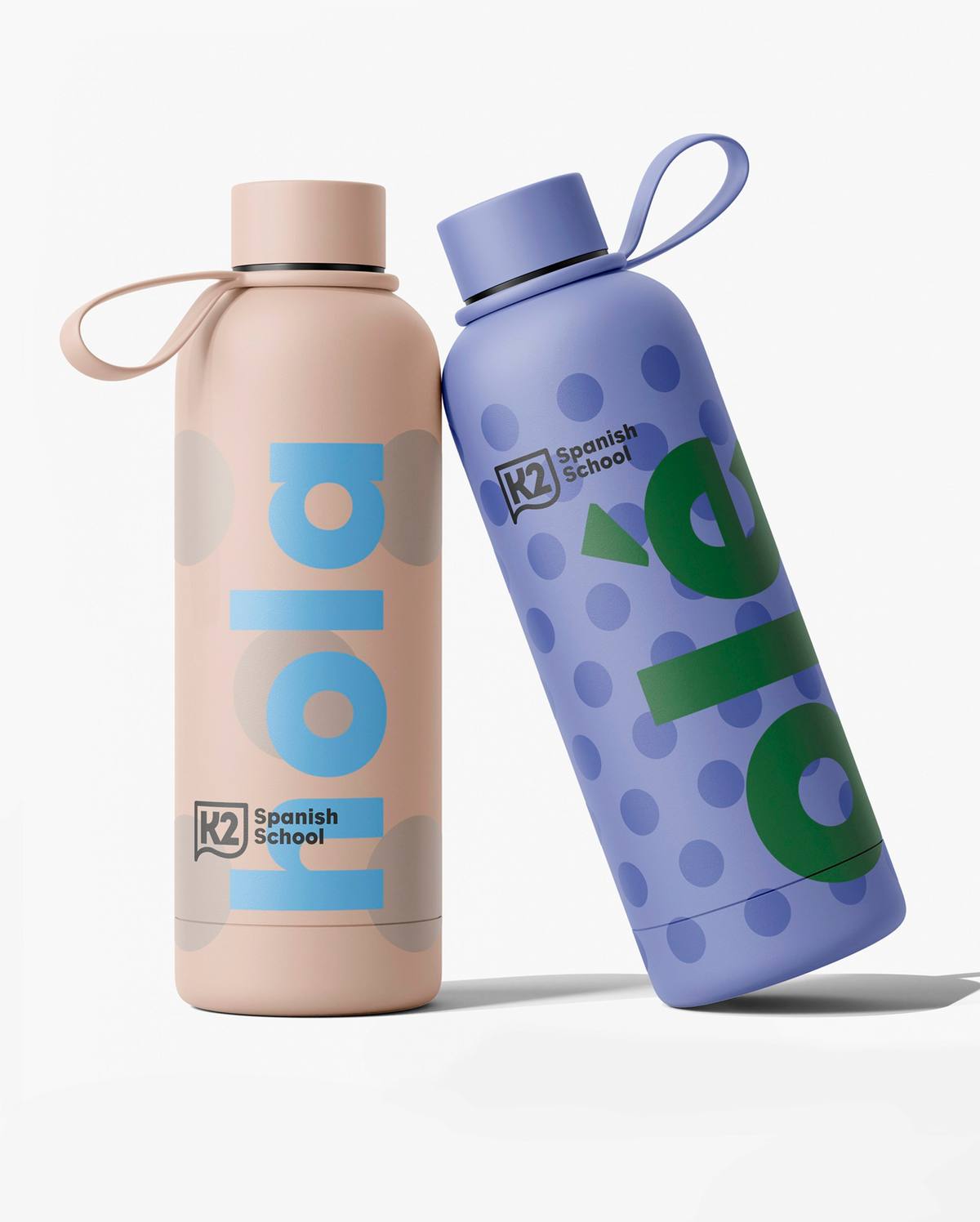
The strategy has already defined what the brand needs to say. Here, we give it shape. We design the visual system that makes it recognisable: logo, typography, colour, art direction, and the rules that keep everything coherent across every application. When a brand is already established, we work with particular care: modernising without erasing what people already recognise. The identity evolves, but it remains the same brand.
Verbal identity and applications
A brand is also recognised by how it sounds and how it behaves. We translate the tone of voice into a concrete verbal identity and apply the system to every touchpoint: stationery, signage, social media, presentations, packaging or web. The result is a complete and consistent brand language, with the guidelines any team needs to use it without losing coherence.
Cases



From the journal
Branding for digital brands: the architecture of the intangible
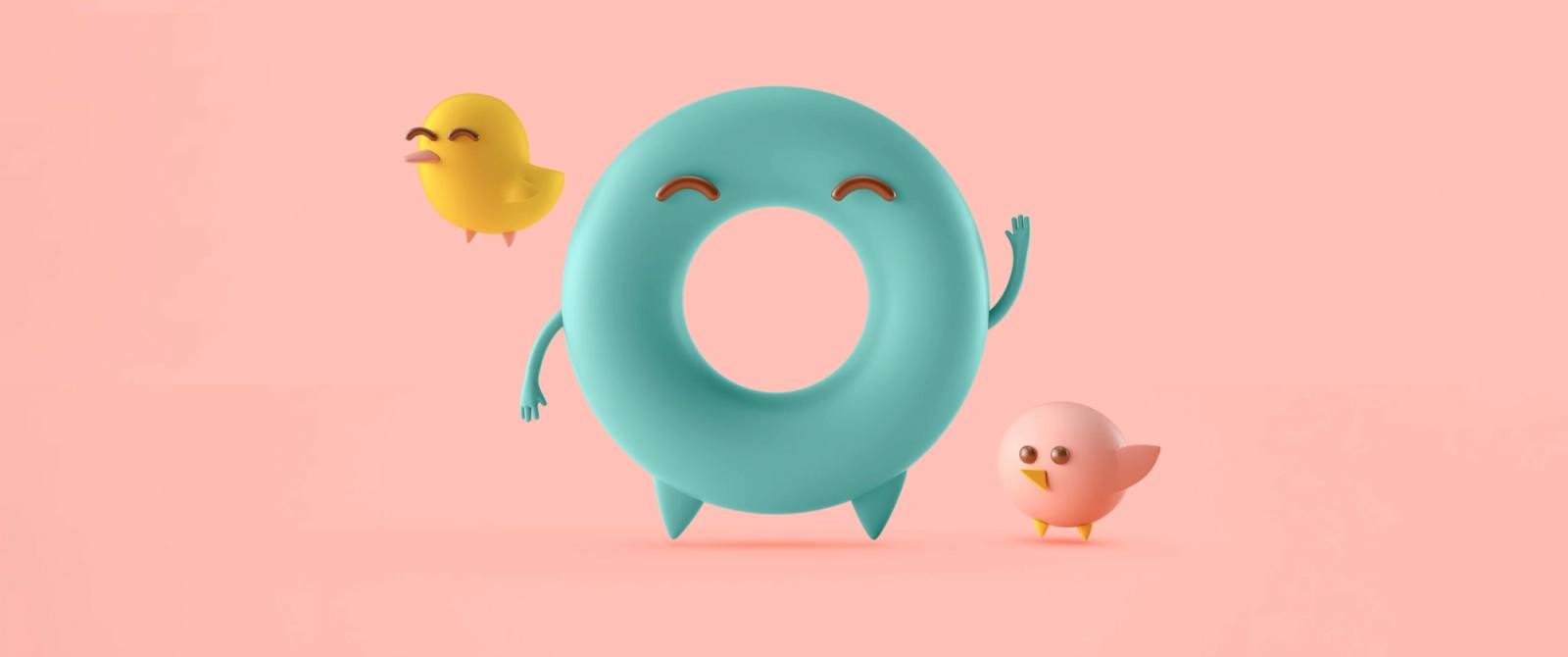
In the digital environment, confusing visibility with relevance is a common mistake. We analyse how to articulate branding designed to last and transform an intangible proposal into a real asset.

We transcend through meaning
When your competition matches your features and your price ceases to be an advantage, what territory do you really compete in? The answer lies in the meaning you build around your brand—something that cannot be easily copied.
The three pillars of every brand: Strategy, Design and Content
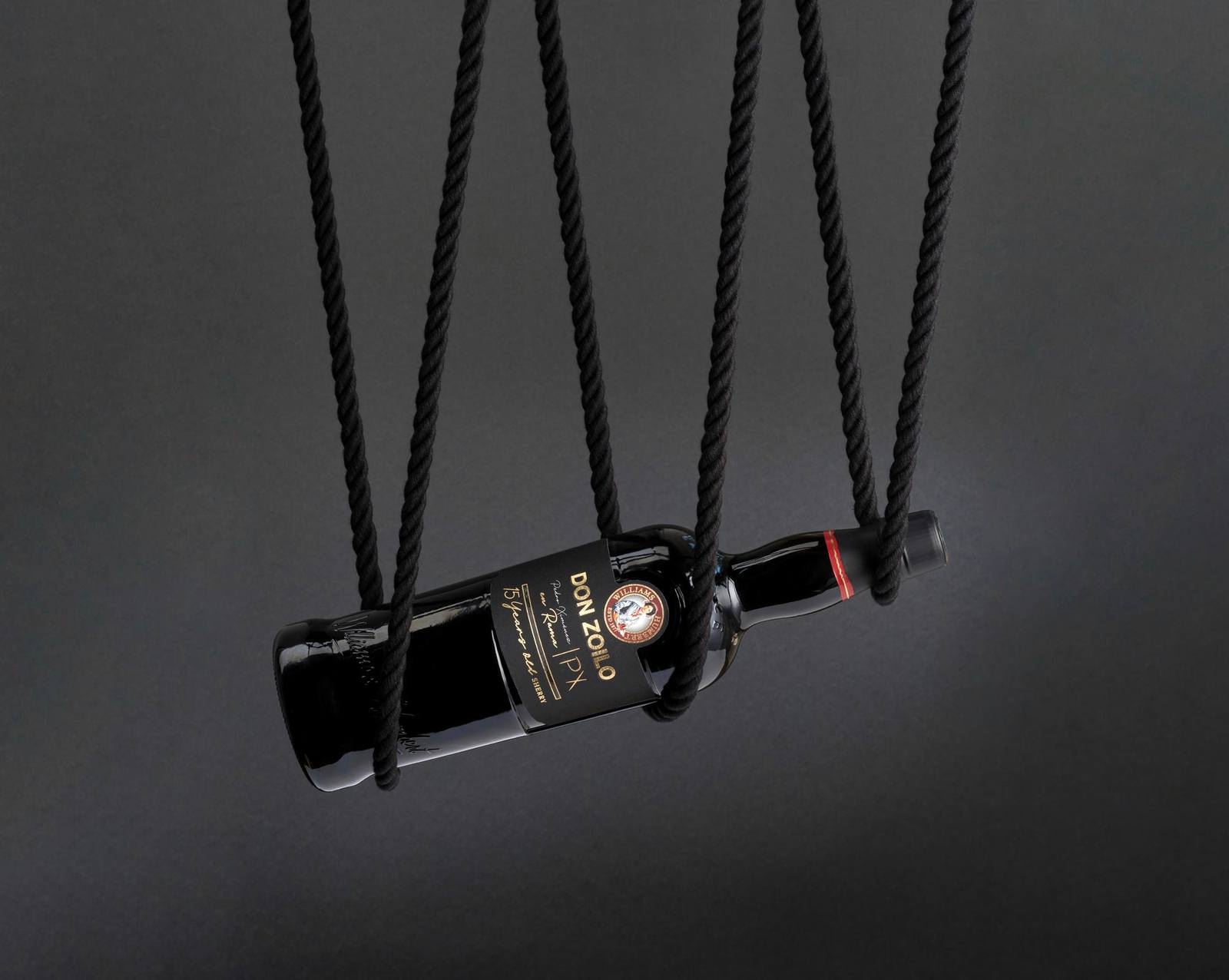
Every brand is built and grows on three fundamental pillars: strategy, design, and content. Brand strategy is your foundation—what makes you different and why it matters.
What is branding and why does it matter for a business?
Branding is the work of building a complete brand: what it says, how it looks, how it sounds and how it behaves at every touchpoint. It starts with a strategy and becomes visible through the identity. A well-built brand guides the people who work on it, is recognisable at a glance and sustains its decisions over time. Without that work, each piece is solved separately and the brand loses consistency.
How does branding differ from a visual identity?
Branding covers the whole brand: strategy, visual identity, verbal identity and the way they are applied. Visual identity is one part of that work, the most visible one. You can commission a beautiful visual identity without first resolving the positioning or the voice, and the result is an image without direction. At Fandarama, the identity always grows out of a strategy, even a focused one.
Is a visual identity the same as a logo?
No. The logo is just one element within a much broader system. Visual identity includes the colour palette, typography, graphic language, and the rules of application for each medium, from packaging to the digital environment, all aligned with the prior strategy. Designing a symbol without that system behind it leaves the brand without the tools it needs to express itself with consistency.
What exactly does a branding project with Fandarama include?
It starts from the strategy, either already defined or resolved in an earlier phase, and takes shape in the identity system: logo, typefaces, colour, graphic language and art direction, together with the verbal identity and tone of voice. We carry it into the applications the brand needs (stationery, signage, social media, presentations, packaging or web) and gather it in brand guidelines so any team can apply it consistently. Each project is defined by what the brand needs, not by a closed package.
Do you rebrand established brands?
Yes, and it is an important part of our work. With a brand that already has a track record, the first step is to distinguish what people recognise in it and what is best left behind. From there, we modernise the identity without erasing that recognition: the brand evolves, but it remains the same brand.
How long does it take to develop a complete brand identity?
It depends on the media the project covers: a basic system is not the same as one that includes packaging, editorial and digital. As a guide, a complete identity usually takes several weeks of work once the strategy is finalised. We prefer taking the right amount of time over rushing and leaving loose ends.
How much does a branding project cost?
Every project responds to a different challenge, so we do not work with fixed rates. The scope depends on where the brand stands and what it needs: creating an identity for a new brand is not the same as updating one with a track record, nor is covering a couple of applications the same as a complete system with guidelines. We define it together in an initial conversation, free of charge and with no obligation, and then prepare a bespoke proposal.